Manufacturing Recruitment Consultants for Skilled Trades and Shop Floor
The Hiring Problem That Doesn't Show Up on a Resume
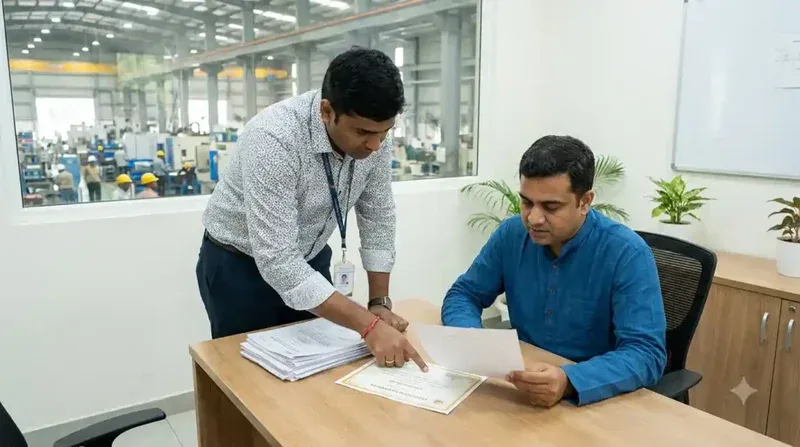
A machine operator’s resume can look complete and still miss the one thing that actually matters: whether they’re certified, current, and safe to put on a specific piece of equipment. Manufacturing recruitment consultants who work shop-floor and skilled trades roles deal with a layer of verification that most white-collar recruitment simply doesn’t have to think about — and getting it wrong doesn’t just mean a bad hire, it means a safety incident waiting to happen.
This is where general recruitment approaches fall short for manufacturing plants. Sourcing enough candidates isn’t usually the hard part on the shop floor — verifying certifications, matching people to shift patterns, and screening for safety compliance is. Manufacturing recruitment consultants built for this environment treat those checks as core to the process, not an afterthought handled after an offer is already extended.
Why Shop Floor Hiring Needs a Different Approach
Certifications aren’t optional line items, they’re gating criteria. Welding certifications, forklift licenses, machine-specific operator training, and safety certifications all need verification before a candidate is even shortlisted, not just checked as a formality during onboarding.
Shift patterns narrow the usable pool significantly. Rotating shifts, night production runs, and weekend coverage all reduce who’s realistically available, and sourcing strategy needs to account for this rather than treating every candidate as equally viable.
Safety compliance history matters as much as skill. A candidate with strong technical ability but a history of safety violations represents real operational risk, which means reference checks need to go deeper than confirming employment dates.
Seasonal and production-cycle hiring creates volume spikes. Manufacturing demand often isn’t steady, production ramp-ups ahead of peak seasons need fast, high-volume hiring without compromising on certification checks.
Retention on the shop floor has different drivers than office retention. Physical work conditions, shift stability, and safety culture influence retention more than the compensation-and-culture factors that dominate white-collar hiring conversations.
What Manufacturing Recruitment Consultants Should Actually Deliver
- Certification and license verification built into screening, not left for onboarding to catch problems late
- Shift-aware sourcing that targets candidates realistically available for the specific rotation pattern being hired for
- Safety-history reference checks, going beyond standard employment verification for roles involving heavy machinery or hazardous processes
- Scalable sourcing for production cycle spikes, ready to ramp hiring volume ahead of known seasonal demand
- Understanding of role-specific technical requirements, the difference between a CNC operator, a quality inspector, and a maintenance technician isn’t just a job title, it’s a distinct skill and certification profile
This is the standard behind Mivira’s manufacturing staffing practice, built specifically around plant and shop-floor hiring needs rather than general industrial recruitment.
Common Mistakes Companies Make in Manufacturing Recruitment
- Verifying certifications only after an offer is made, risking last-minute withdrawals or compliance gaps once the person is already on the floor.
- Using the same sourcing approach for shift roles as for standard day-shift positions, missing the narrower, shift-specific candidate pool.
- Skipping deeper safety-history checks, relying only on standard reference calls that don’t surface prior safety incidents.
- Reacting to seasonal demand spikes instead of planning for them, leading to rushed, lower-quality hiring during peak production periods.
- Treating all shop-floor roles as interchangeable, when machine operators, technicians, and quality staff require genuinely different screening criteria.
- Underestimating shift stability as a retention factor, focusing purely on pay when scheduling predictability often matters just as much to shop-floor employees.
Expert Tips for Working with Manufacturing Recruitment Consultants
- Provide exact certification and license requirements upfront, including expiry timelines, so screening catches gaps before candidates reach final interview stages.
- Share shift pattern details clearly, since sourcing strategy differs meaningfully between fixed day shifts and rotating production schedules.
- Ask how the consultant verifies safety history, not just employment dates, this is a meaningful differentiator between generalist and specialised manufacturing recruiters.
- Plan seasonal hiring surges months in advance, giving consultants lead time to build a qualified pipeline rather than scrambling during peak demand.
- Track retention by role type, not just overall plant retention, to identify whether specific roles need adjusted sourcing or onboarding approaches.
Benefits of Working with Specialised Manufacturing Recruitment Consultants
- Reduced compliance and safety risk through certification verification built into the screening process, not bolted on afterward
- Faster fills for shift-based roles through sourcing strategies designed around realistic candidate availability
- Better safety outcomes from deeper reference and history checks for roles involving equipment or hazardous processes
- Reliable scaling during seasonal production spikes, avoiding rushed, lower-quality hiring under time pressure
- Role-specific screening accuracy, distinguishing between operator, technician, and quality roles rather than treating shop-floor hiring as generic
Why Choose Mivira Talent Solutions
Mivira Talent Solutions works as manufacturing recruitment consultants who understand that shop-floor hiring isn’t the same problem as office recruitment. Our manufacturing staffing practice builds certification verification, shift-aware sourcing, and safety-history screening directly into the hiring process, so plants get candidates who are actually ready to work safely from day one.
We support manufacturing clients through permanent staffing for core plant roles, contract staffing for seasonal production ramp-ups, and staff augmentation when specific technical capacity is needed for a defined project or plant expansion.
Latest Trends in Manufacturing Recruitment Across Hyderabad
- Digital certification verification tools are speeding up screening, reducing the manual effort previously needed to confirm licenses and training records.
- Automation is shifting skill requirements, with growing demand for technicians who can operate and troubleshoot automated production equipment, not just traditional manual machinery.
- Safety culture is becoming a stronger employer branding factor, as candidates increasingly evaluate plants based on safety record, not just compensation.
- Seasonal hiring planning is starting earlier, with manufacturers engaging staffing partners months ahead of known production cycle spikes.
- Cross-training and multi-skilling are increasing in demand, with plants preferring operators who can flex across multiple machine types or production lines.
FAQs
Manufacturing recruitment consultants build certification verification, shift-aware sourcing, and safety-history checks into their process, which general staffing agencies handling white-collar roles typically don't prioritise the same way.
Reputable consultants verify certification validity and expiry directly during screening, before candidates are shortlisted, rather than leaving verification to onboarding.
Yes, with enough lead time, consultants can build a qualified candidate pipeline ahead of known production ramp-up periods to avoid rushed hiring under pressure.
No, most support both permanent staffing for core roles and contract staffing for seasonal or project-based production needs.
Common roles include machine operators, quality inspectors, maintenance technicians, production supervisors, and skilled trades positions like welders and fabricators.
Very important — shift details directly shape sourcing strategy, since the candidate pool realistically available for rotating or night shifts differs from standard day-shift hiring.
Deeper safety-history screening during hiring can reduce the risk of bringing on candidates with prior safety violations, contributing to better overall plant safety outcomes.
Reach out through our contact page to discuss your plant's role requirements, certifications needed, and shift patterns.
Conclusion
Shop-floor and skilled trades hiring isn’t a smaller version of standard recruitment — it’s a fundamentally different problem involving certification verification, shift-aware sourcing, and safety-history screening that general recruitment approaches often miss. Manufacturing recruitment consultants who treat these as core to the process, not afterthoughts, are the ones who actually reduce compliance risk and improve plant safety outcomes.
Call-To-Action
Need shop-floor hires who are certified, safety-checked, and ready for your shift pattern? Talk to Mivira Talent Solutions about our manufacturing recruitment consultants.
Recent Posts
-

 BFSI Recruitment Services in Hyderabad Hiring Through Fintech Disruption
 -
 Industry Specific Staffing Solutions Why Generalist Hiring Falls Short
 -
 Startup Hiring Agency What Changes When You Hire Fast After Funding
 -
 Logistics Staffing Company: Hiring for Peak Season Without Panic
 - Manufacturing Recruitment Consultants for Skilled Trades and Shop Floor
-
 BPO Staffing Company: Solving the Bulk Hiring and Attrition Problem